 Josh Sherwood
1 min read
Intent-Driven Programmatic That Fuels Travel Discovery
 Josh Sherwood : Mar 17, 2026 3:22:49 PM
.png)
Connected TV (CTV) can be one of the most impactful branding channels in tourism.
As adoption accelerates and budgets shift from linear to streaming, CTV is no longer experimental — it’s essential.
CTV ad expenditure will exceed 40 billion dollars by 2027, accounting for more than 5% of total ad spend. In 2024, CTV ad spend in the U.S. reached $30 billion. In 2022, 111 million U.S. households used connected TVs at least once a month. By 2027, 121 million US households will have CTV devices, such as smart TVs, streaming devices or gaming consoles.
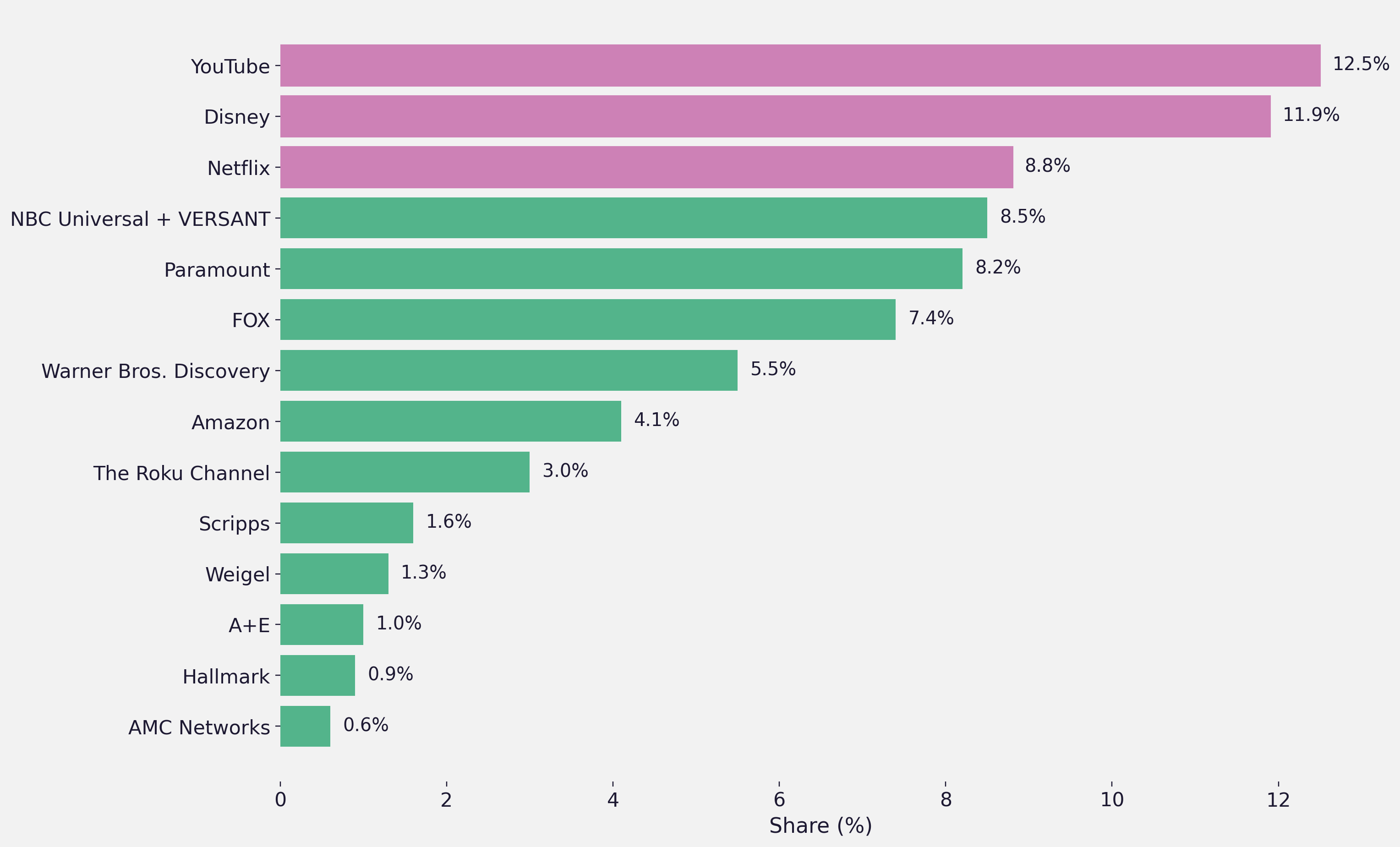
While more expensive than traditional digital video, CTV offers premium, non-skippable, full-screen inventory. With 61% of US households using a smart TV as their primary streaming device, the opportunity is significant. Yet when CTV is treated as a cheaper version of linear TV, rather than as part of a holistic media strategy, it diminishes the channel’s true value.
Many agencies approach CTV as an extension of open programmatic buying, with a heavy reliance on broad, open-exchange inventory and success measured primarily by reach and CPM efficiency.
Lower CPMs often come at the expense of targeting accuracy and limited insight into where ads appear, increasing the risk of placements in environments that don’t align with brand quality or reaching the wrong audiences. Prioritizing scale over quality can undermine reporting value and reduce trust.
MediaOne takes a different approach. We prioritize premium streaming platforms that provide stronger brand alignment, better audience accuracy and greater transparency - often down to the show level. Strategically, this allows CTV to function as a high-impact storytelling channel that complements digital performance media, rather than competing with it.
Instead of chasing the lowest CPMs, we invest in premium inventory that allows destinations to tell richer stories, reach the right audiences and understand where and how their ads are actually appearing. By accepting slightly higher CPMs, we can control how destination stories are delivered.
Our clients consistently experience:
Stronger brand perception and audience attention through high-quality environments
Greater confidence in where and how ads are appearing, ensuring brand safety
Improved alignment between CTV and other digital channels
More meaningful cross-channel reporting and insights
If your CTV strategy prioritizes scale over quality, it may be time to rethink its role. MediaOne’s premium CTV approach delivers transparency, alignment and impact where it matters most.
What is premium CTV advertising?
Premium CTV advertising places ads within high‑quality, brand‑safe streaming platforms with transparent inventory and accurate audience targeting. Instead of running across open networks that can include low‑quality or unwanted inventory, premium CTV runs directly on leading streaming services such as Disney+, Netflix, Paramount+, Amazon, and other top platforms. This gives advertisers clearer insight into where ads appear and how they perform.
How is CTV different from traditional linear TV?
CTV combines full screen TV impact with digital targeting. Unlike linear TV, connected TV allows destination marketers to reach specific audiences based on data, geography, and viewing behavior while maintaining non skippable, high attention placements.
Why are premium CTV CPMs higher?
Premium CTV CPMs are higher because the inventory offers better brand safety, stronger audience accuracy, and greater transparency. Lower cost CTV often sacrifices control and insight, which can reduce effectiveness for destination brands.
Is premium CTV worth the cost for destination marketing?
Yes. Premium CTV is worth the investment when used as a strategic branding channel. Higher quality environments support stronger storytelling, better brand perception, and more meaningful measurement than scale first CTV buys.
How does premium CTV improve brand safety?
Premium CTV improves brand safety by limiting placements to trusted streaming platforms and vetted content. This reduces the risk of misaligned environments and ensures destination brands appear alongside high quality programming.
Can premium CTV support performance marketing?
Yes. Premium CTV complements performance channels by building awareness and consideration earlier in the traveler journey. This often improves the effectiveness of paid search, social, and other lower funnel digital media.
What should destination marketers prioritize in a CTV strategy?
Destination marketers should prioritize transparent inventory, audience accuracy, brand safe environments, and clear reporting. A quality first approach allows CTV to deliver impact, insight, and alignment across channels.
When should a destination brand rethink its CTV approach?
A destination brand should rethink its CTV strategy if it focuses only on low CPMs, lacks transparency, or treats CTV like standard programmatic video. Premium CTV delivers greater control and long term brand value.
.png)
1 min read
Josh Sherwood : Mar 17, 2026 3:22:49 PM
.png)
1 min read
Josh Sherwood : Mar 3, 2026 3:58:39 PM
.png)